In the 21st century, the dividing line between public governance and private influence has blurred beyond recognition. Multinational corporations no longer just lobby governments — in many cases, they guide them.
Whether it’s BlackRock advising central banks, Pfizer negotiating with countries directly, or tech giants shaping digital policy, the new question is: Who’s really in charge?
The Corporate State in Action
From trade agreements written with corporate input to “public-private partnerships” that bypass democratic processes, corporate influence now operates at every level of government:
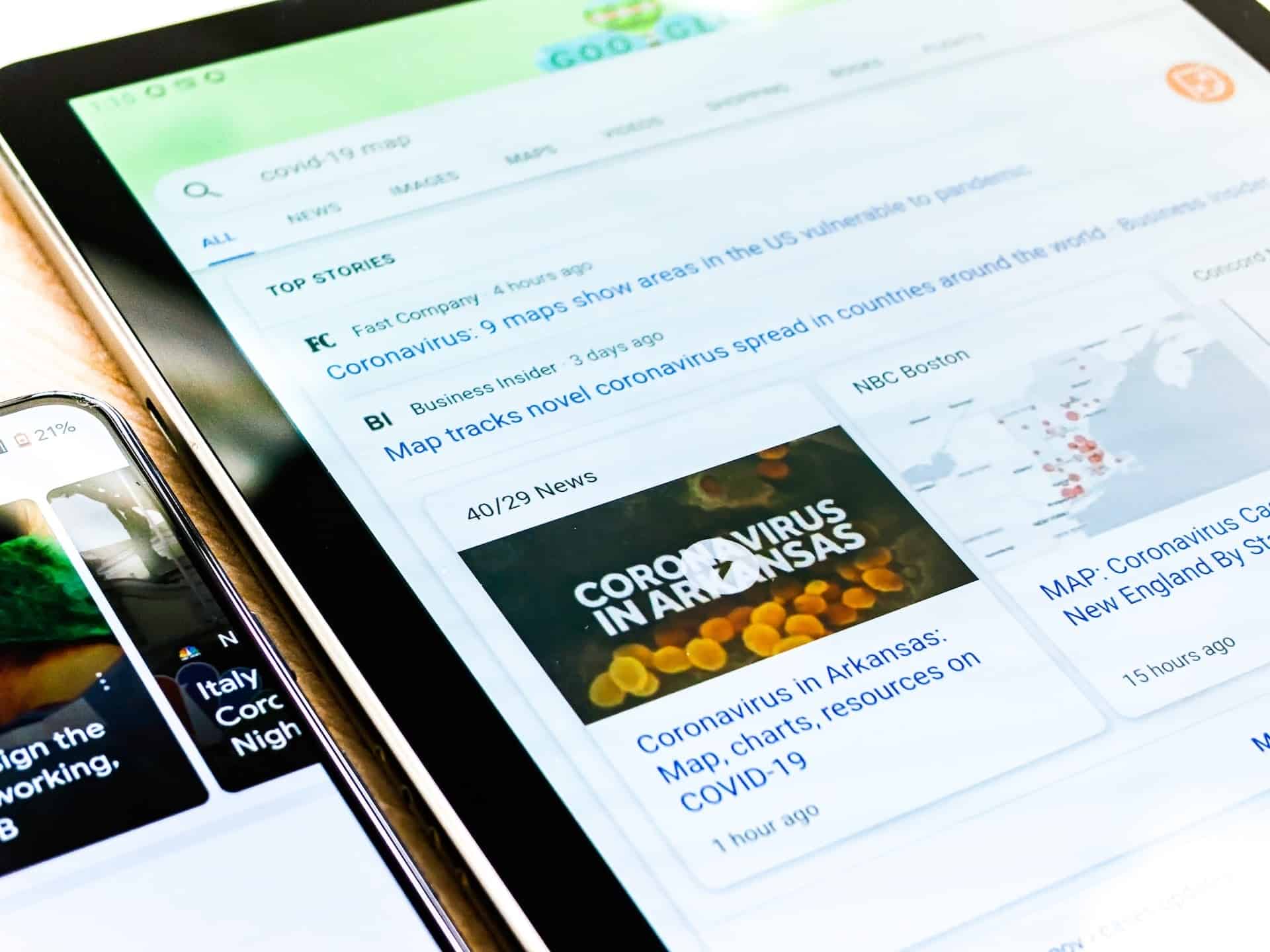
- Pharmaceuticals helped dictate COVID-era policy worldwide
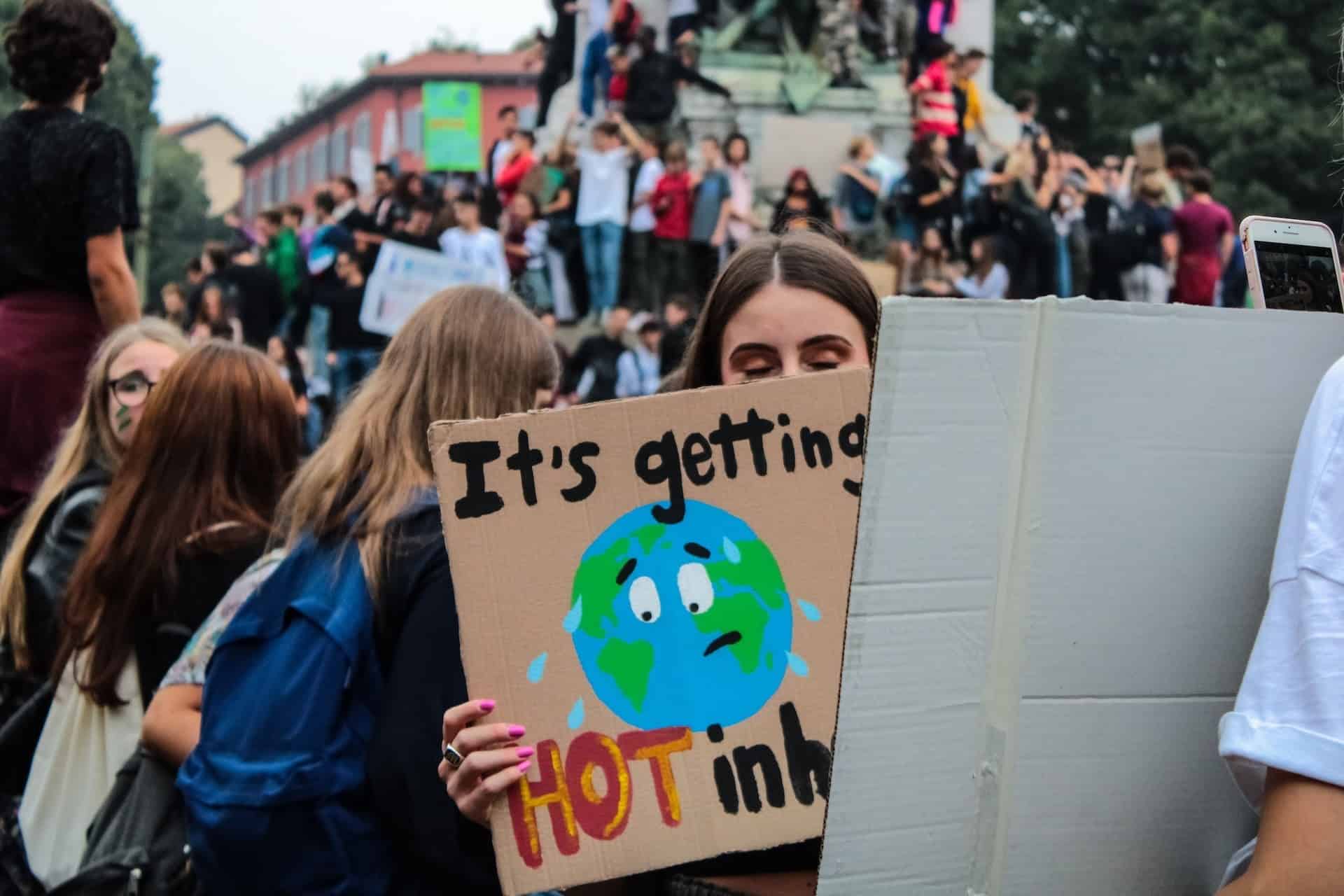
- Energy firms shaped environmental policy — while lobbying to delay green transitions
- Big Tech created content rules that affected elections, speech, and public discourse
Regulation or Collaboration?
Proponents argue this cooperation brings efficiency, innovation, and global reach. Critics call it regulatory capture — where the regulator becomes indistinguishable from the regulated.
Is this governance? Or managed compliance?
The Future of Sovereignty
As corporations develop their own currencies, social platforms, and AI governance tools, some argue that we’re entering a post-state era — where brand allegiance replaces citizenship.
Conclusion
We may not have voted for them, but in many ways, we’re already living under their rule. The question is no longer ifcorporations govern — but how much longer we’ll pretend they don’t.